For me, the start of an ITP flare comes with clear signs
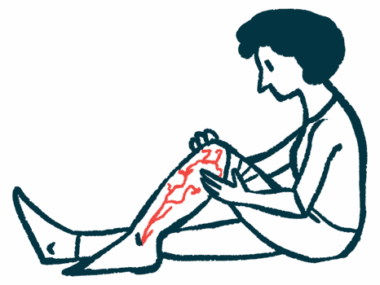
Severe bruising is a hallmark symptom of this rare disease
Written by |





Living with rare and chronic illnesses is one of the hardest things I’ve ever dealt with. Because I have five different diseases, it can be hard to figure out which disease is causing my symptoms each day. But there’s one symptom that can tell me exactly which disease is flaring or becoming more active: dozens of unexplained bruises.
In 2018, after a bout of fatigue, bruising, and extended heavy menstrual cycles, I was diagnosed with a rare disease called immune thrombocytopenia (ITP). This disease caused my immune system to attack my blood platelets, increasing my risk of excessive bruising and bleeding.
It would be easy to blame fatigue or nosebleeds on my other health issues, but severe and frequent bruising is a hallmark of ITP. It’s like an activation alarm or a light on a stove that warns you the surface is hot.

Thankfully, my ITP is in remission most of the time. Of my five chronic illnesses, this is the one that usually bothers me the least. But when a flare is starting, the signs are very clear.
For the past few months, I’ve been exhausted, to the point that I’ve been sleeping 12-20 hours per day. I also can’t catch my breath after small tasks, such as walking up a flight of stairs or walking to the car (a sign of anemia and not enough oxygen reaching my limbs). And of course, every extremity is littered with bruises.
I received a blood transfusion after the holidays, but my symptoms persisted, so I brought this up with my new hematologist. She reviewed my recent lab work and was so concerned that she contacted me directly to discuss it, rather than have the nurse call me.
My results showed a drastic drop in my platelet count: 40,000, while the average for adults ranges from 150,000 to 450,000. My hemoglobin had also decreased, and my uric acid level had spiked.
Now, I’m scheduled for three blood transfusions and twice-weekly iron infusions for three weeks. I’ll also take a round of prednisone (oral steroids) and receive Solu-Medrol (methylprednisolone, an intravenous steroid) infusions while I’m at the clinic for the blood transfusions. This is the most a doctor has done for me to treat an ITP flare.
For me, ITP is usually pretty manageable as long as I pay attention to the signs and address them quickly. But I also need to have a medical team I’m comfortable with that will listen and act when something isn’t right. I’m thankful for the warning signs that pushed me to seek treatment for this flare.
Note: Bleeding Disorders News is strictly a news and information website about the syndrome. It does not provide medical advice, diagnosis, or treatment. This content is not intended to be a substitute for professional medical advice, diagnosis, or treatment. Always seek the advice of your physician or other qualified health provider with any questions you may have regarding a medical condition. Never disregard professional medical advice or delay in seeking it because of something you have read on this website. The opinions expressed in this column are not those of Bleeding Disorders News or its parent company, Bionews, and are intended to spark discussion about issues pertaining to bleeding disorders.