
Mastering ITP: From symptoms to success
Whether you’re newly diagnosed with immune thrombocytopenia (ITP) or you’ve been managing it for a while now, these helpful resources cover symptoms, treatment, and emotional support to help you move forward with confidence.




Early ITP treatment can help stabilize platelet counts, reduce bleeding risk, and ease uncertainty. By setting clear goals with your hematologist, you can protect your daily function and quality of life while balancing safety and side effects.

Early signs of ITP — like unexplained bruising, red spots, or fatigue — can signal low platelet counts. Tracking symptoms and knowing when to seek medical attention can help you manage ITP and prevent complications.

ITP flare-ups can bring bruising, fatigue, and bleeding. Knowing the early signs, tracking symptoms, and creating a flare-up action plan — including stress management and safe activity adjustments — can help you stay in control and protect your health.

Living with ITP can affect more than your body — it can take a toll on your mental health, too. Strategies like therapy, mindfulness, hobbies, and building a support network can help you manage emotional challenges and feel more grounded day to day.

Living with ITP can be unpredictable, but small steps — like building a care plan, tracking symptoms, adjusting routines, and finding emotional support — can make daily life more manageable and empowering.

ITP medications help raise platelet counts and lower bleeding risks. Stopping treatment without medical guidance can lead to relapse or serious complications. If you miss a dose or have concerns, talk with your doctor before making changes.
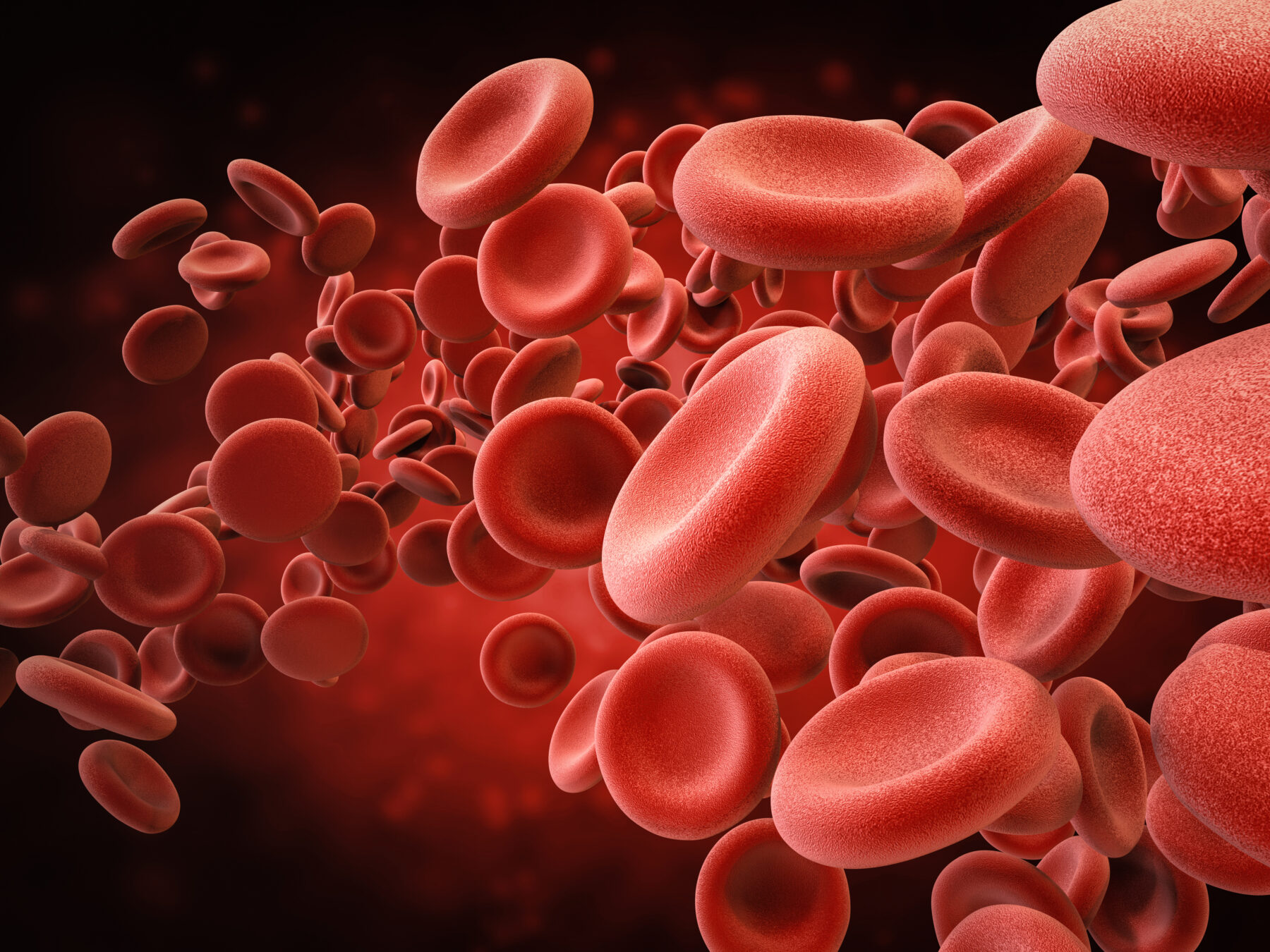
ITP causes the immune system to destroy platelets, making clotting harder and leading to bruising, bleeding, and fatigue. Understanding how platelets work can help with better condition management.