My reaction to needing endless blood transfusions? Gratitude for the donors.
Blood transfusions have undoubtedly played a role in saving my life
Written by |
Blood transfusions are a remarkable medical intervention that has saved my life more than once. When I hear someone “needs a blood transfusion,” I immediately think of traumatic events like car accidents or major surgeries that cause significant blood loss. My own experience began after my first cesarean section, when complications from placenta previa required my first transfusion. I never imagined that years later, I would need 18 blood transfusions — and live to tell the tale.
In September 2020, I was hospitalized for nearly two months with multiorgan failure. I came close to dying and, alongside blood transfusions, underwent myriad lifesaving procedures. These included plasmapheresis, dialysis, immunizations, and antibody therapy — treatments that I still receive to this day. COVID-19 had triggered rare autoimmune diseases in my body, including immune thrombocytopenia (ITP) and atypical hemolytic uremic syndrome (aHUS).
Among the worst symptoms of ITP and aHUS is the destruction of platelets and red blood cells. My body couldn’t produce enough blood and platelets to keep up with what my immune system was destroying. When I first arrived at the emergency room, neither my doctors nor I fully understood what was happening. We suspected an ITP flare — diagnosed in 2018 — but I had many other symptoms beyond just platelet destruction.

Buying time
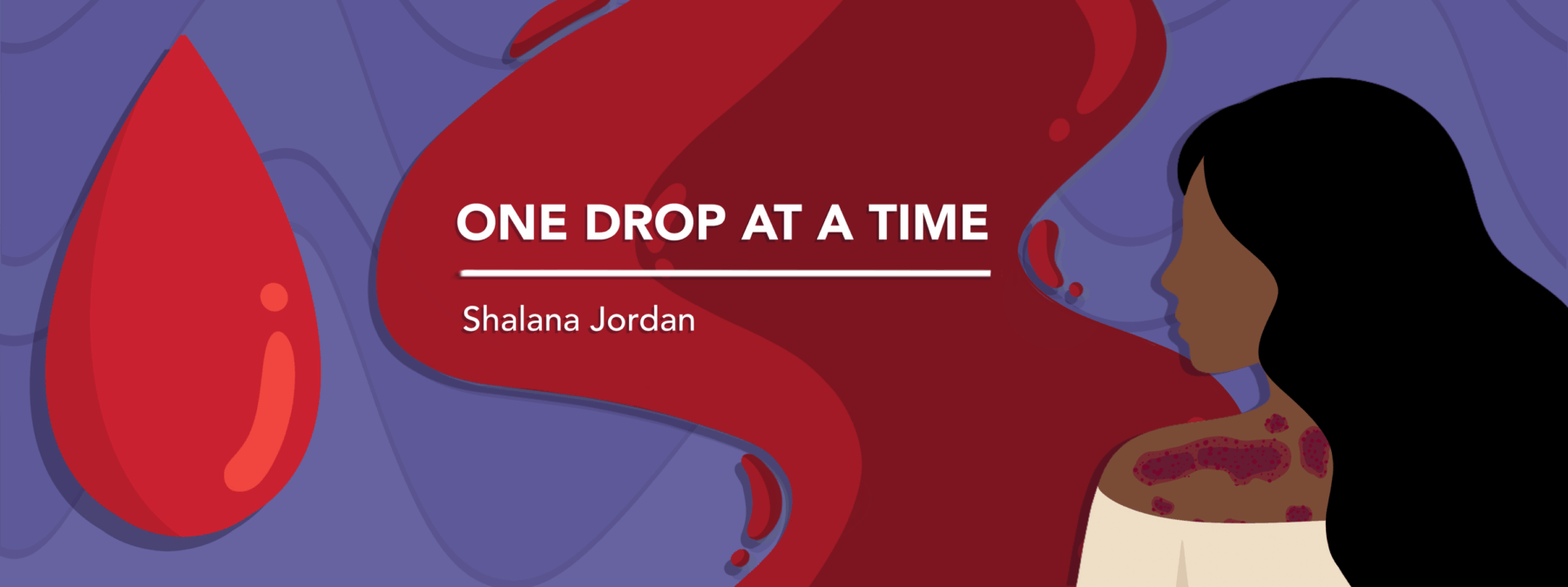
My platelet and red cell counts continued to drop each day. I was covered in huge black and purple bruises and felt more exhausted and weak than I ever had before. Multiple times a day, phlebotomists struggled to draw my dark, thick blood for testing.
I needed blood transfusions to replace the blood cells I was losing. These transfusions bought time for my doctors to determine what was wrong. The human body typically holds 10 units of blood, about 1.5 gallons. During my first five weeks in the hospital, I received 18 transfusions — nearly double that amount.
I had no idea how involved the process would be. Each time a nurse came for a transfusion, they would apologize for the interruption and then launch into a lengthy, hesitant speech about the risks of HIV and more. I’d have to sign a waiver every single time.
None of those speeches really mattered to me — whether I liked it or not, I needed the transfusions. By the fourth time, I simply shushed the nurses and waved them into the room to do their thing.
One day, a doctor was in my room discussing my lab work when my favorite head nurse knocked on the door. She was blond and bubbly, with a thick Southern accent, and we’d gossip late at night over orange sherbet. She came in carrying an IV bag of blood and the usual waiver. I stopped her before she could even mention it and signaled for the pen.
“I know the drill. Hook me up,” I said, handing her the signed waiver.
She giggled while the doctor looked at me with a raised eyebrow, surprised by my reaction to yet another transfusion. But it was what it was — I had to have it.
Blood transfusions have undoubtedly played a major role in saving my life, and I am profoundly grateful for them. Even now, after a recent ITP flare, I receive weekly transfusions and will likely always manage anemia. I am deeply thankful to the blood donors around the world who make transfusions possible.
Note: Bleeding Disorders News is strictly a news and information website about the syndrome. It does not provide medical advice, diagnosis, or treatment. This content is not intended to be a substitute for professional medical advice, diagnosis, or treatment. Always seek the advice of your physician or other qualified health provider with any questions you may have regarding a medical condition. Never disregard professional medical advice or delay in seeking it because of something you have read on this website. The opinions expressed in this column are not those of Bleeding Disorders News or its parent company, Bionews, and are intended to spark discussion about issues pertaining to bleeding disorders.