My experience with blood transfusions for anemia and ITP
Transfusions are necessary to keep my blood counts and symptoms in check
Written by |
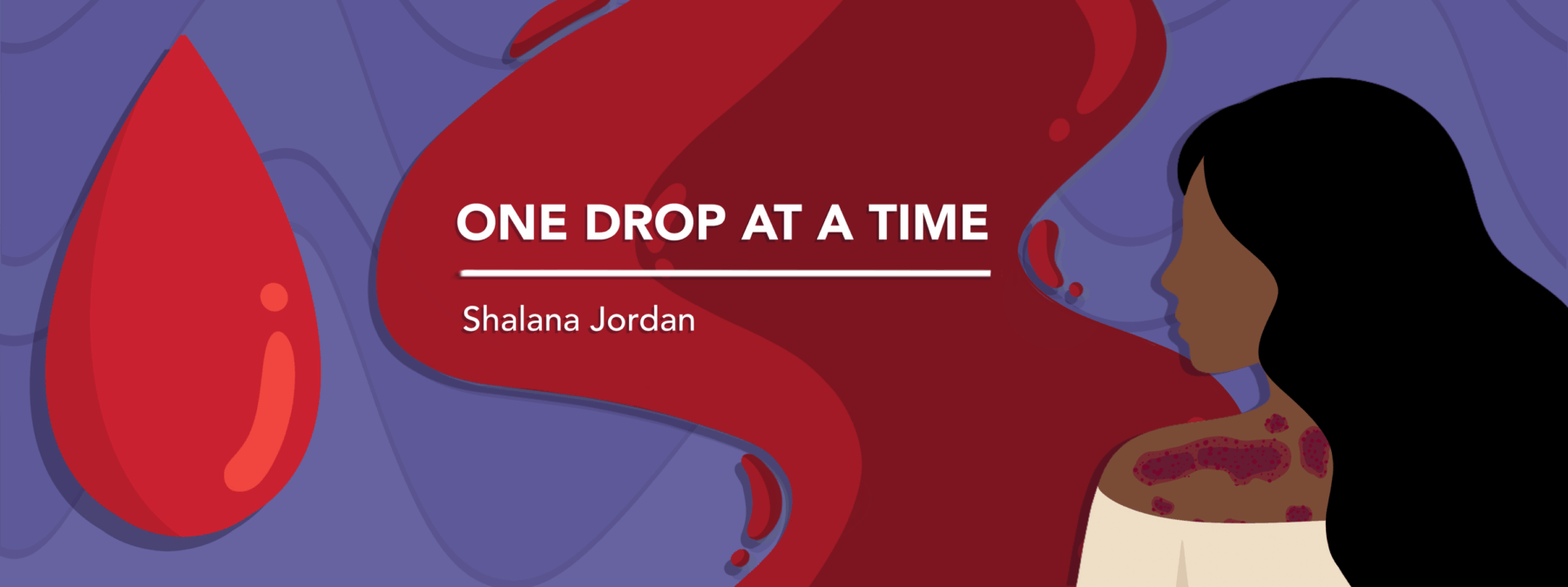

“Interview with the Vampire,” “Dracula,” “Twilight,” “The Lost Boys,” and even “Buffy the Vampire Slayer” have romanticized vampires and the idea of drinking blood. But I can say without a shadow of doubt that consuming blood regularly isn’t fun. And it hasn’t added anything to my stylish aesthetic, either.
I’m no stranger to anemia, having had the condition for most of my life. It occurs when the body doesn’t produce enough healthy red blood cells, resulting in a lack of oxygen-rich blood. This can cause tiredness, weakness, shortness of breath, dizziness, headaches, or even a rapid and irregular heartbeat.
For most of my early life, we assumed my anemia was caused by iron deficiency, which I was able to correct by taking an iron supplement and including more iron-rich foods in my diet. But after I began experiencing heavy and debilitating menstrual cycles at age 9, my mother realized I needed more help. I ended up receiving blood transfusions until my 20s.
The strange thing is that I can taste almost everything I receive through an IV — saline flushes, medications, steroids, and even blood. So it’s funny to me that the media has long portrayed vampirism as stylish, sexy, alluring, and haunting, because the thick, metallic taste of blood in the back of my throat is anything but that.

Enter ITP
Blood transfusions came back into my life after I was diagnosed in 2018 with a rare disease called immune thrombocytopenia (ITP). I’d had an extended bout of anemia-like symptoms. But after reviewing my lab results at a regular checkup, my doctor and I realized I had a lot more going on than we’d suspected.
I was quickly sent to one of the largest hospitals in the area for a barrage of testing. Normally, the symptoms I was experiencing would simply indicate that my iron levels were low. But the tests showed that I wasn’t just low on iron; I was losing platelets — a lot of them — and my body couldn’t produce enough to keep up. Being anemic is challenging, but it didn’t prepare me for the harsh reality of ITP.
Before my illness, my hemoglobin levels usually stayed between 10-12 g/dL. (According to the Mayo Clinic, normal hemoglobin levels for adult women range from 11.6-15 g/dL.) But since my ITP diagnosis, my levels hover between 8-10.5 g/dL. And I can absolutely tell.
I regularly deal with dizziness, shortness of breath, weakness, and fatigue. Sometimes it’s hard to tell if my symptoms stem from ITP, another one of my conditions (such as kidney disease, lupus, or atypical hemolytic uremic syndrome), or my antibody therapy. But the dizziness and shortness of breath are probably from ITP when my platelet count is low.
Shortness of breath is one of my most difficult and frequent symptoms. I can’t climb more than four steps without having to stop and rest. If I try to rush up a whole flight of stairs, I’ll feel like I’m trying to breathe through a coffee-stirring straw.
Arrhythmia, or an uneven heartbeat, is one of the scariest symptoms I face. It stops me in my tracks. It almost feels like my heart hiccups and smacks into my chest wall. While it lasts for only a few seconds, it’s jarring.
I can’t simply take iron supplements to increase my hemoglobin levels because my kidneys don’t function well enough to process them. I still consume a lot of iron-rich foods to help with my iron deficiency, but I occasionally need blood transfusions. My hemoglobin and platelet levels are checked every 14 days, and they always will be. And if I feel unwell in between tests, my team will check my levels again.
ITP’s effect on my platelet count and blood production makes life difficult, but navigating the symptoms is easier when I know what causes them. It also helps me better communicate my needs and struggles to my medical team. This insight has saved me from deadlier relapses.
Note: Bleeding Disorders News is strictly a news and information website about the syndrome. It does not provide medical advice, diagnosis, or treatment. This content is not intended to be a substitute for professional medical advice, diagnosis, or treatment. Always seek the advice of your physician or other qualified health provider with any questions you may have regarding a medical condition. Never disregard professional medical advice or delay in seeking it because of something you have read on this website. The opinions expressed in this column are not those of Bleeding Disorders News or its parent company, Bionews, and are intended to spark discussion about issues pertaining to bleeding disorders.