After a bad car accident, I’m covered with heavy bruising
Unusual bruising was already a concerning symptom of my ITP
Written by |
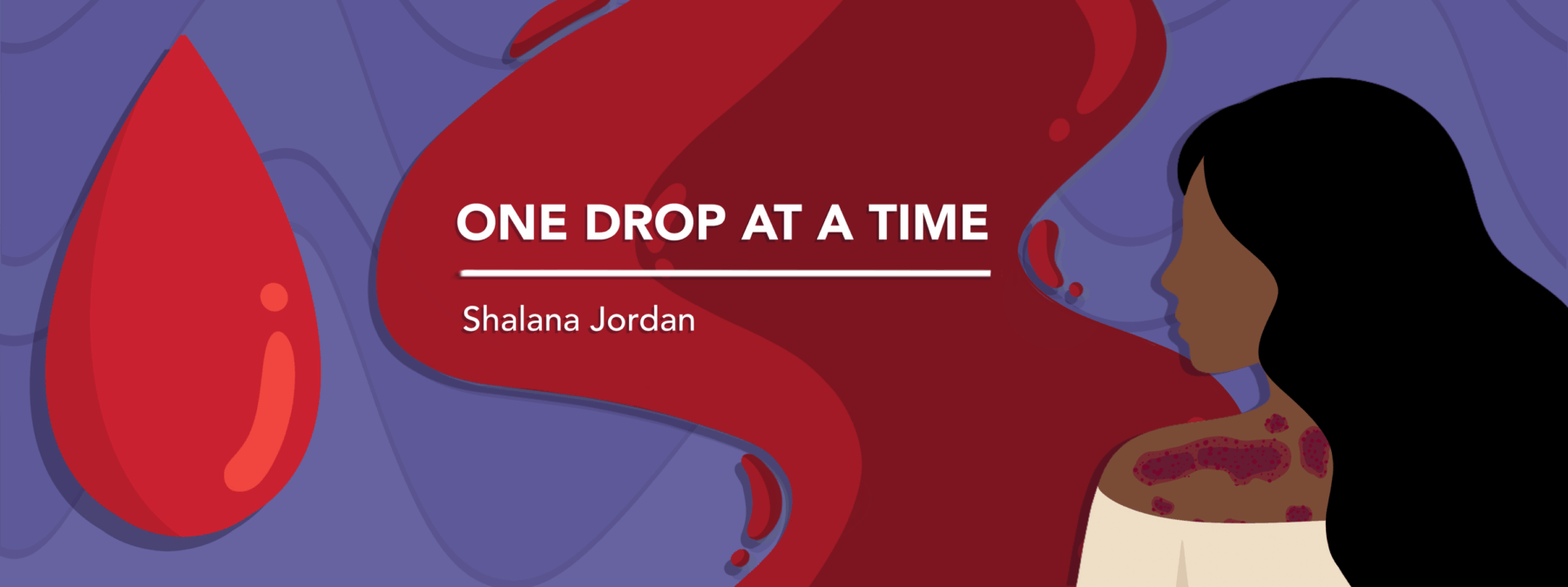
I currently have bruises on my left foot, ankle, calf muscle, and shin; right foot, ankle, shin, elbow, and shoulder blade; lower back; top left side of my chest; and the bottom of my torso. These are all from the worst car accident I’ve ever been in, which recently happened. While it’s common to get bumps and bruises in a car accident, having a rare blood disease, as I do, can cover the body in bruises.
In 2018, I experienced a prolonged period of fatigue and unusual bruising, which led to a diagnosis of immune thrombocytopenia (ITP). ITP is a rare autoimmune blood disorder that causes my immune system to attack my blood platelets. This means I can suffer a flare-up of the disease at any time, with symptoms that include abnormal bruising, fatigue, internal bleeding, blood clots under the skin, and more.
Living with ITP, combined with my other autoimmune diseases, creates a very precarious situation. I also deal with atypical hemolytic uremic syndrome (aHUS), which has permanently damaged my kidneys, liver, heart, and uterus. Together, these conditions heighten my most significant day-to-day concern: the risk of falling or injuring any of these vital organs.

A terrifying ordeal
In 2020, when I was diagnosed with aHUS, I was also experiencing an ITP flare. Every time my healthcare team tried to draw blood, I developed huge, dark, purple blood blisters and bruises. Additionally, random bruises appeared all over my body during the two months I spent in the intensive care unit. The worst moment was when I blacked out and fell in my living room shortly after being released from the hospital. That resulted in a punctured liver and a hematoma the size of half my torso.
This experience made me feel fragile, like a delicate doll. I’m afraid to go on roller coasters due to the violent shaking and jostling, and I avoid high-impact exercises like kickboxing for fear of bruising and organ damage. So you can imagine how a car accident would affect me.
A week ago, my fiancé and I were heading to the grocery store after lunch. The weather was sunny and warm, with a cool, crisp fall breeze in the air. Suddenly, a pickup truck slammed into the back of our stopped car at 50 miles per hour while we were waiting for a car in front of us to turn left.
I’d never been in an accident of this magnitude before. I immediately felt that my left ankle and foot were injured, and within minutes of the 911 call, I could already sense areas of my body bruising and tightening. The ambulance ride was short, but by that time, I had developed bruises on my left foot, ankle, shin, and calf muscle. By the next day, I noticed similar bruises on my opposite leg.
Additionally, I had bruising from the seat belt and various minor bruises on my hands and shoulder blade. I look like I lost a fight! However, the accident could’ve been much worse. If a few bruises are the only price we have to pay, then I consider it a reasonable trade-off. While bruising is always a concern for me, at least it’s one of the easier symptoms to manage.
Note: Bleeding Disorders News is strictly a news and information website about the syndrome. It does not provide medical advice, diagnosis, or treatment. This content is not intended to be a substitute for professional medical advice, diagnosis, or treatment. Always seek the advice of your physician or other qualified health provider with any questions you may have regarding a medical condition. Never disregard professional medical advice or delay in seeking it because of something you have read on this website. The opinions expressed in this column are not those of Bleeding Disorders News or its parent company, Bionews, and are intended to spark discussion about issues pertaining to bleeding disorders.