TTP diagnosis explains woman’s second stroke at age 30: Case report
Blood disorder may be factor when strokes in young people have no clear cause
Written by |
A Chinese woman experiencing neurological symptoms who had a stroke at age 30 was ultimately diagnosed with the blood disorder hereditary thrombotic thrombocytopenic purpura (TTP), a recent case report details.
The woman, who had an earlier stroke in her teen years, had previously been diagnosed with a different rare blood condition. The researchers treating her now reported that the woman was found to have low levels of platelets, small cell fragments in the blood that normally form clots to stop or prevent bleeding, alongside evidence of a second stroke.
The team noted that “clinical presentations of hereditary TTP vary widely,” and said this case highlights that the disease should be considered as a possibility in young patients with low platelet levels experiencing strokes without a clear cause.
The study, “Hereditary Thrombotic Thrombocytopenic Purpura Associated With Recurrent Strokes and Prominent Nervous System Involvement in a Young Chinese Female,” was published in the journal Clinical Case Reports.

Hereditary TTP is caused by genetic mutations that lead to a severe deficiency or complete lack of activity of ADAMTS13, an enzyme that normally prevents platelets from forming blood clots when they aren’t needed. This ultimately leads to the formation of small blood clots in blood vessels, which can damage organs.
Hereditary TTP typically diagnosed in childhood
The mutations that cause hereditary TTP are present from birth, and in most cases, the disease is diagnosed during childhood or early adolescence.
Here, researchers in China described the case of a woman experiencing recurrent strokes and neurological symptoms who was diagnosed with hereditary TTP at the age of 30.
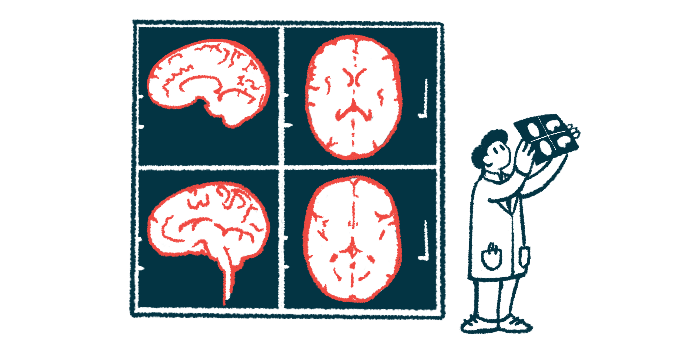
The woman sought hospital treatment for slurred speech, sudden numbness and weakness in her right arm and leg, and difficulty swallowing. An MRI scan of her brain showed signs of an acute stroke affecting the left side of her brain.
She had experienced a previous stroke in 2011 at the age of 18, which affected the right side of her brain, causing left limb weakness and paralysis of the left side of the face and tongue. Following that episode, she started having paroxysmal seizures — sudden, temporary disturbances in behavior, sensation, or consciousness — about three to four times per year, which were treated with antiepileptic medications.
In 2012, she was diagnosed with immune thrombocytopenia (ITP), another rare disorder marked by the loss of platelets, and was prescribed long-term treatment with corticosteroids.
At the time of her most recent stroke, lab tests showed signs of microangiopathic hemolytic anemia, which is anemia driven by the destruction of red blood cells — a process known as hemolysis — as they pass through small, damaged, or obstructed blood vessels. The woman also had low levels of platelets and kidney problems.
While she also had low ADAMTS13 activity — less than 5% — no neutralizing antibodies targeting the enzyme were detected, the report noted.
Genetic sequencing revealed she had two different mutations (p.Arg349Cys and p.Cys804Tyr) on each of the two copies of the ADAMTS13 gene, which provides instructions for making the ADAMTS13 enzyme.
Based on the clinical signs and laboratory findings, doctors were able to diagnose the woman with hereditary TTP.

Plasma exchange, infusions used to treat woman’s TTP
She started treatment with daily infusions of plasma, the liquid portion of blood that contains several proteins. This strategy involves delivering fresh frozen plasma from a healthy donor to provide functional ADAMTS13.
Plasma exchange, a procedure in which a person’s plasma is removed and replaced with healthy donor plasma, was also performed every two days.
ADAMTS13 activity increased to 40.2% and platelet levels normalized, according to the researchers. This allowed the woman to be discharged seven days later. She continued treatment with corticosteroids and monthly plasma infusions.
After three months, she was readmitted to the hospital with hearing loss. Lab tests showed low platelet levels, signs of hemolysis, and low ADAMTS13 activity, at 3.3%. Her condition improved after plasma exchange and plasma infusions, and she was discharged again five days later.
At the most recent follow-up call, the woman was in generally good health, the researchers reported.
“Differences in the [clinical manifestations] and severity of congenital TTP may be the result of multiple environmental and genetic factors acting in concert,” the researchers wrote. Their findings indicated that patients harboring the same ADAMTS13 mutations as those found in this woman “are prone to recurrent strokes and exhibit prominent neurological symptoms.”