
Heart valve issue exacerbates women’s inherited von Willebrand: Report
Acquired form of disease should be considered when bleeding worsens
Written by |
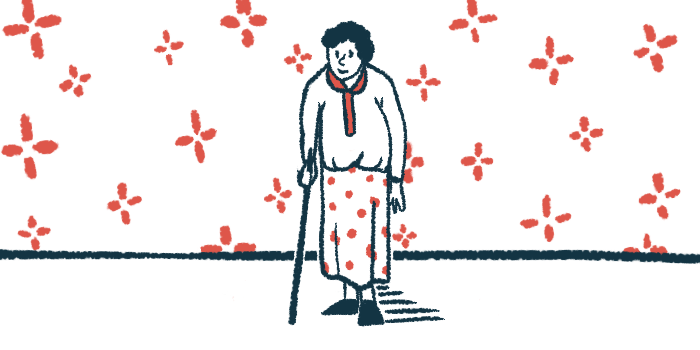
A 96-year-old woman with inherited type 2A von Willebrand disease and previously mild symptoms experienced a sudden worsening of bleeding after developing acquired von Willebrand disease caused by severe narrowing of her aortic heart valve, according to a case report.
The findings suggest that when bleeding symptoms unexpectedly worsen in people with inherited von Willebrand disease, doctors should consider whether another underlying condition may be further disrupting blood clotting and contributing to disease severity.
“This case underscores the importance of considering acquired von Willebrand disease in patients with inherited von Willebrand disease who present with new-onset or worsening bleeding symptoms, as early recognition enables targeted treatment,” researchers wrote.
The woman’s case was described in the paper “Concomitant acquired and inherited von Willebrand disease: A challenging bleeding disorder,” published in the journal Transfusion.

‘A significant diagnostic challenge’
In von Willebrand disease, blood does not clot properly because the body does not make enough von Willebrand factor (VWF), a multi-unit protein that helps platelets form clots at sites of injury, or the protein does not work properly. As a result, patients may experience frequent nosebleeds, easy bruising, and excessive bleeding from minor cuts.
While most cases are inherited, rare instances occur in which the disease develops later in life due to other medical conditions or certain medications. Because it is uncommon and its symptoms resemble those of inherited von Willebrand disease, the acquired form may be difficult to recognize, particularly in people who already have a diagnosis of inherited disease.
Cases in which the two forms occur together are especially rare and “a significant diagnostic challenge, as laboratory findings may be similar between inherited and acquired forms,” the researchers wrote.
In this report, a team of U.S. researchers described the case of a 96-year-old woman with type 2A von Willebrand disease, a subtype in which the VWF protein either cannot properly connect with other VWF proteins to form multimers or these multi-unit structures are broken down too easily.
This case illustrates that [acquired von Willebrand disease] can markedly worsen bleeding manifestations in patients with underlying inherited [von Willebrand disease].
Earlier in life, the woman experienced heavy periods and excessive bleeding following a tonsillectomy (a surgery to remove her tonsils) and an abortion, which required blood transfusions. However, she also had two successful pregnancies and deliveries without significant bleeding complications.
In her fifties, her uterus was surgically removed due to uterine fibroids, noncancerous growths in the uterus, that caused heavy periods.
Between 2015 and 2017, however, the woman was admitted to the hospital several times for bleeding in her digestive tract due to angioectasias — fragile, abnormal blood vessels in the intestines. She required repeated blood transfusions, iron infusions, and VWF replacement treatment to supply the body with a functional version of VWF.
Doctors eventually identified severe aortic stenosis, a narrowing of the heart’s aortic valve that restricts blood flow from the heart to the aorta and to the rest of the body. In some cases, the abnormal blood flow caused by aortic stenosis can place excessive mechanical stress on VWF, causing the protein to break down and triggering acquired von Willebrand disease.
Blood testing then showed a loss of large VWF multimers, and genetic testing also confirmed an inherited mutation associated with type 2A von Willebrand disease. Based on the clinical and genetic findings, the team concluded that the patient’s inherited bleeding disorder had likely been worsened by acquired von Willebrand disease caused by the severe aortic stenosis.
The woman underwent successful transcatheter aortic valve replacement, a minimally invasive procedure to replace the narrowed heart valve, in 2017. Following valve replacement, her gastrointestinal bleeding stopped and her hemoglobin — the protein that carries oxygen in red blood cells — returned to normal. By 2022, she remained stable without additional bleeding episodes.
“This case illustrates that [acquired von Willebrand disease] can markedly worsen bleeding manifestations in patients with underlying inherited [von Willebrand disease],” the researchers wrote.




Leave a comment
Fill in the required fields to post. Your email address will not be published.